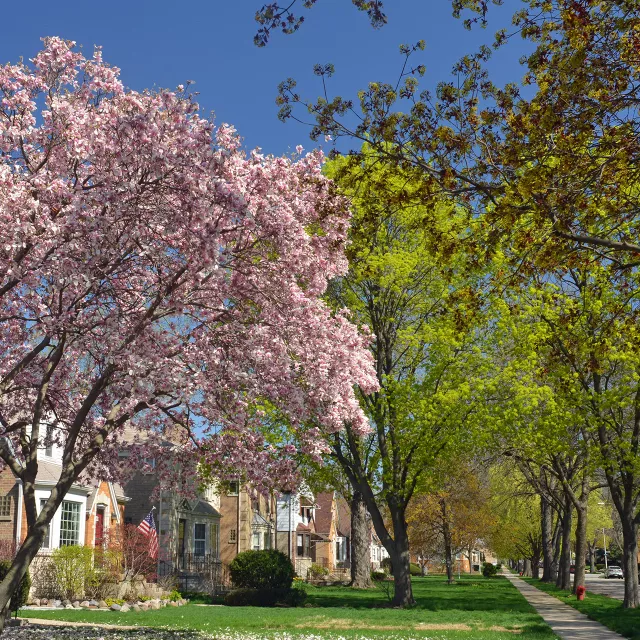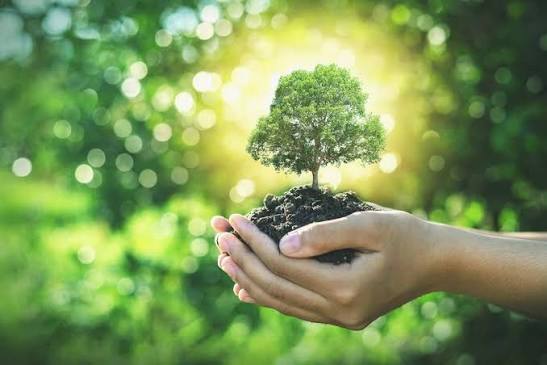
Trees are among the most important natural resources on Earth. They support environmental balance by producing oxygen, absorbing carbon dioxide, reducing pollution, and providing shelter for wildlife. They also improve the beauty of gardens, parks, and residential areas. Healthy trees can survive for decades and provide valuable benefits to future generations. However, proper maintenance is necessary to protect them from diseases, pests, harsh weather, and other environmental challenges.
One of the best ways to maintain healthy trees is to create suitable growing conditions. Before planting, gardeners should understand the requirements of different tree species. Some trees need direct sunlight throughout the day, while others grow well in partially shaded locations. Soil type, drainage, and available space should also be considered. Selecting a tree that matches the local climate can improve its chances of successful growth.
Water management is an important part of natural tree care. Trees require sufficient water to develop strong roots, maintain healthy leaves, and transport essential nutrients. Young trees need regular watering until their roots become established. During dry weather, gardeners should check the soil and provide water when necessary. Deep watering encourages roots to grow further into the ground, making trees more stable and resilient. However, excessive watering should be avoided because it can reduce oxygen around the roots.
Another useful technique is improving soil naturally. Healthy soil contains organic matter, minerals, and beneficial microorganisms. Adding compost made from decomposed leaves and other organic materials can improve soil fertility. Gardeners should also avoid using excessive chemical fertilizers because unnecessary applications may damage soil health and disturb its natural balance.
Mulching is an effective method for protecting the root zone. Natural materials such as shredded bark, dry leaves, and wood chips can be spread around trees. Mulch helps maintain moisture, reduces weed growth, and protects roots from extreme temperatures. It also gradually breaks down and adds organic matter to the soil. A suitable mulch layer should be kept away from direct contact with the tree trunk.
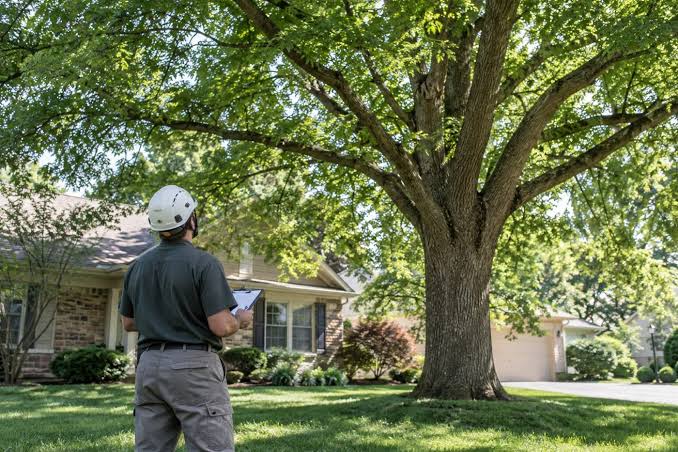
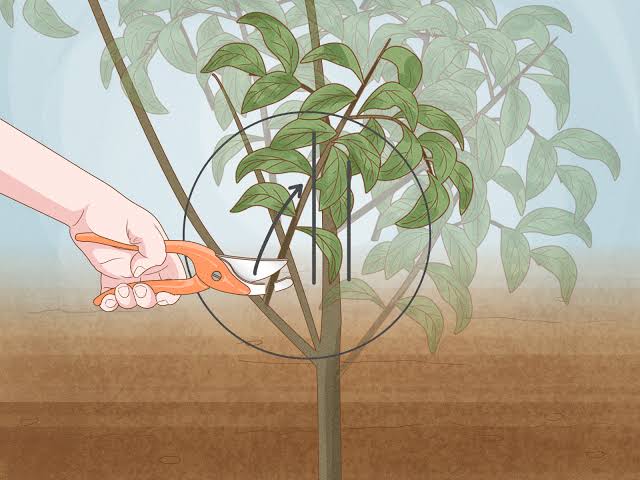
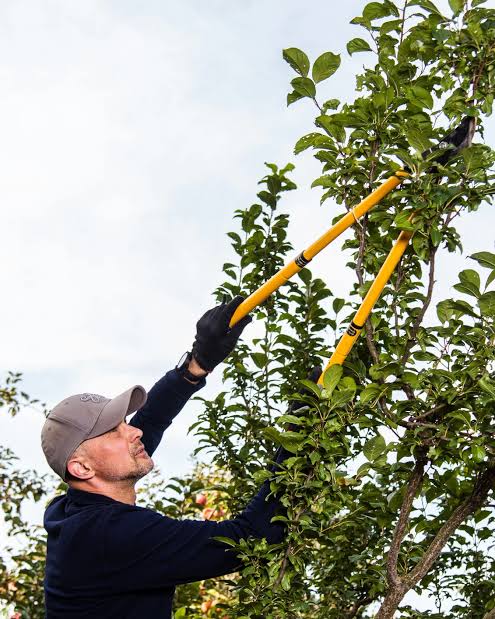
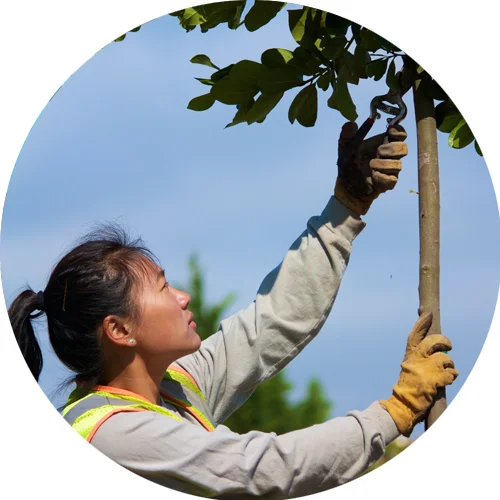
Regular pruning helps maintain healthy branches and a balanced structure. Dead, broken, and diseased branches should be removed carefully to prevent further damage. Proper pruning can improve sunlight distribution and airflow through the canopy. However, removing too many healthy branches can weaken a tree. For large trees, professional assistance is recommended to ensure safe and appropriate pruning.
Protecting trees from pests and diseases is another essential responsibility. Gardeners should inspect leaves, trunks, and branches for unusual marks, holes, fungal growth, and discoloration. Encouraging beneficial insects and maintaining healthy soil can support natural pest management. When an infestation occurs, the treatment should match the specific pest or disease rather than relying on unnecessary chemicals.
Seasonal maintenance also supports healthy tree development. During spring, gardeners can inspect new growth and identify damaged branches. In summer, watering and moisture protection become especially important. During autumn, fallen leaves can be collected and turned into compost. In winter, young or sensitive trees may need protection against freezing temperatures and strong winds.
Furthermore, protecting trees from human activities is important. Construction work, unnecessary digging, and careless use of machinery can damage roots and trunks. Gardeners should maintain a safe area around trees and avoid placing heavy objects over their root systems.
In conclusion, natural tree care involves proper planting, balanced watering, soil improvement, mulching, pruning, and responsible pest management. These practices help trees remain healthy without unnecessary environmental damage. Everyone can contribute by planting suitable species and protecting existing trees. With regular care and responsible action, we can create greener landscapes, support biodiversity, and protect the environment for future generations.